Need septic system repair in Newark?
Describe your septic or sewer problem and request an estimate. A local provider in our network will follow up with next steps. No obligation.
No obligation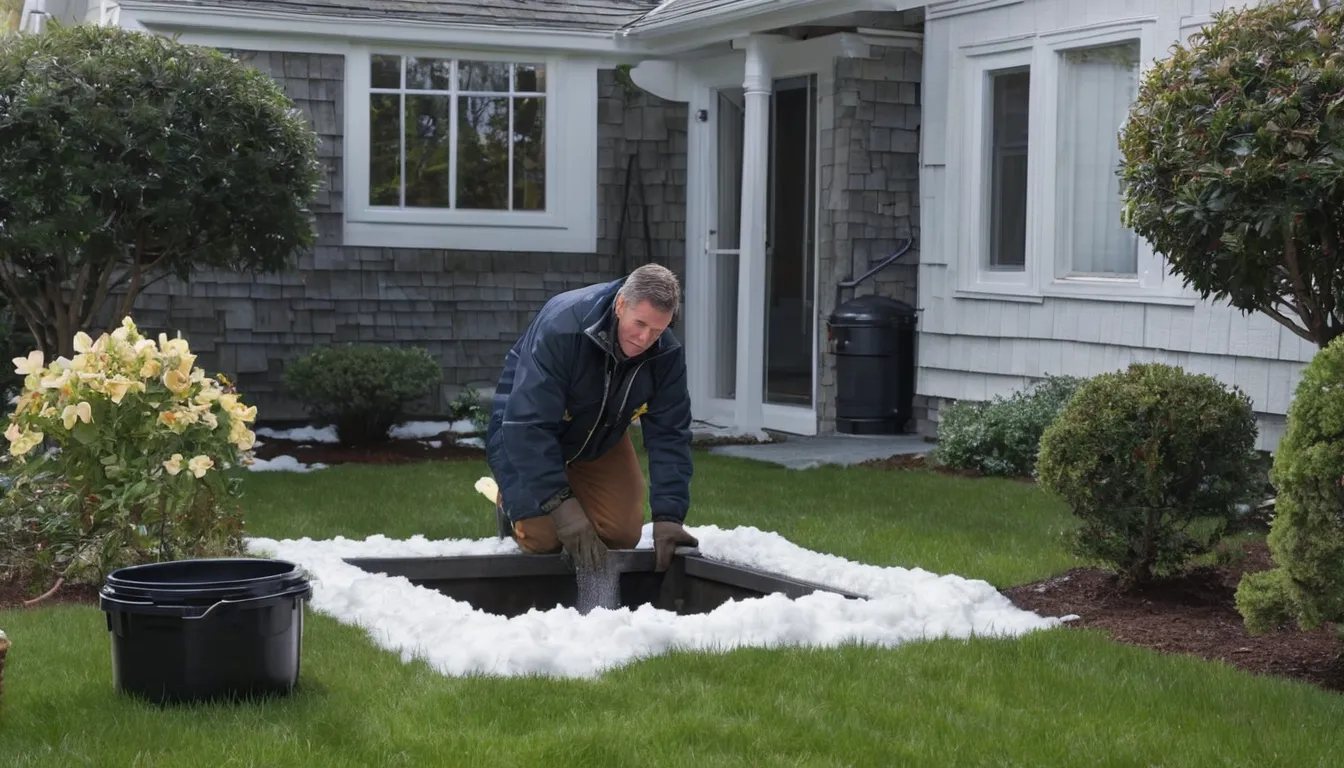
Request a repair estimate
A septic system works quietly until something goes wrong. Then the signs show up fast: slow drains, gurgling pipes, a sewage smell or wet ground in the yard. Fixing a small fault early usually costs less than waiting for a full failure.
Aplogia Septic is a referral service. It does not do the work. It connects homeowners in the Newark area with independent local providers who inspect, diagnose and repair septic systems. This page explains the warning signs, what to do and not do, how repairs work and what to ask before you hire. Request an estimate, compare written quotes and choose the provider that fits your home.
A septic system rarely fails without a hint. Small signs come first. Notice them early and the repair is often smaller. That is the idea behind Act while small.
One sign may be minor. Two or three together deserve a professional look.
Solids that slip past a damaged baffle or a clogged filter can reach the drainfield. Replacing a small part now can spare the field later.
Older tanks can crack or corrode. Freeze-thaw cycles and shifting soil add stress, especially around older homes.
Some systems use a pump chamber. If the pump or float fails, wastewater has nowhere to go. An alarm is a request for attention, so do not silence it and move on.
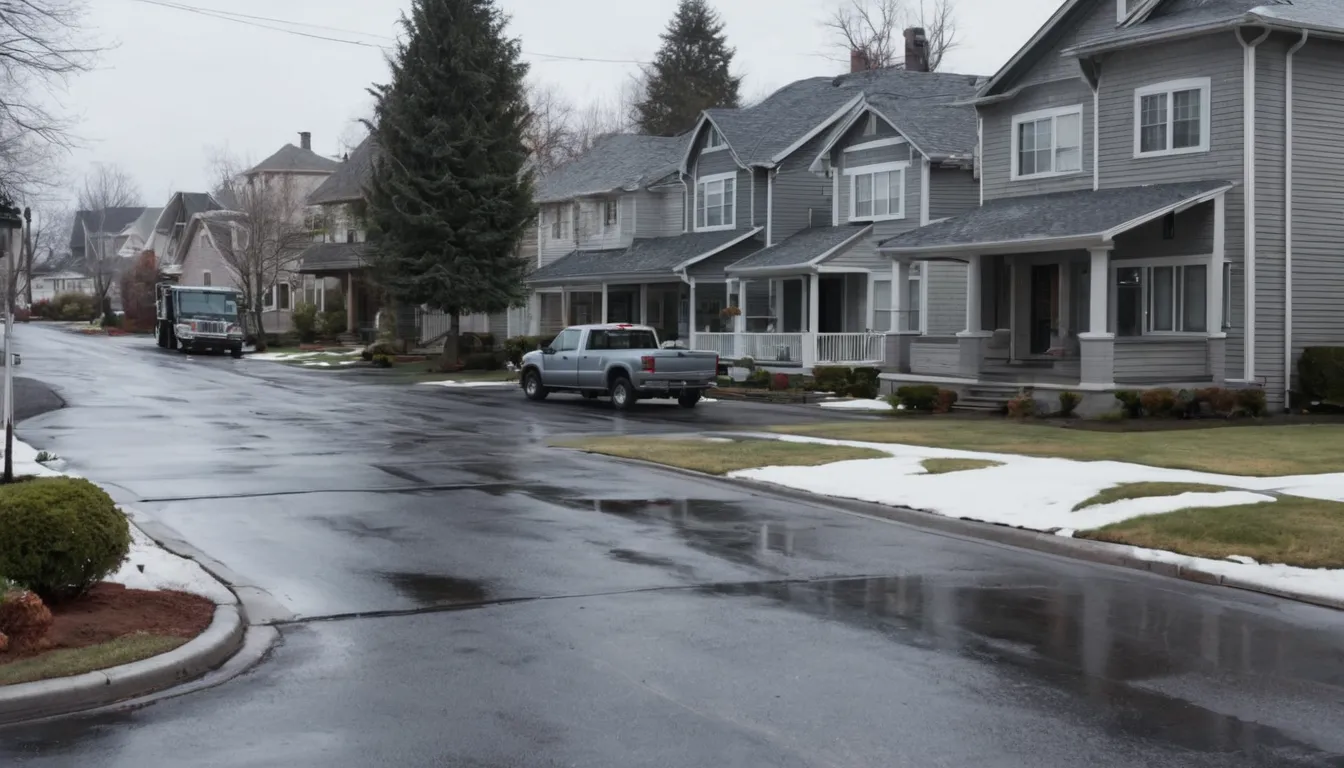
Roots can push into pipes. Heavy vehicles can crush lines or pack the soil so water cannot soak in. Spring snowmelt and coastal storms can saturate a field that is already weak.
A provider finds the tank, opens the lids, checks liquid levels and looks at the baffles, pipes and distribution box. A camera or dye test may help. If the tank is overfull, septic tank pumping may come first so the inspection can be finished.
Quote in writing. It should name the problem, the planned work, parts, permits and the price. Then the provider fixes or replaces the failed part and tests the flow. Larger jobs usually need a local permit and a final inspection.
Drainfield repair depends on why the soil stopped taking water. Sometimes the cause is a broken pipe or a blocked distribution box. Those fixes can be modest. If the soil is clogged after years of use, or the field stays saturated, a provider may suggest resting the field, adding sections or replacing it.
Replacement is a bigger project. It often involves soil testing, a design and a permit. Rules differ by town and county, so ask who handles the paperwork.
Repair often makes sense when one part has failed and the rest tests sound. Replacement may come up when the tank is cracked, the field has failed or the same repair keeps returning. Ask the provider to explain both options in writing, with prices. For larger jobs, get a second quote.
Sewage in a tub or basement floor drain is urgent. Stop using water. Keep people and pets out of the area. Many providers can respond quickly, and emergency septic cleaning can empty the tank so the cause can be found. Cleaning does not fix a broken part, though. It buys time for the real repair.
Request a callback to check provider availability.
If your home has a private well, tell the provider. A failing septic system can affect nearby groundwater. After a serious failure, ask about water well service and water testing. Do not drink well water until it has been tested and local health guidance says it is safe.
Buyers and inspectors often ask about septic records. Written reports, permits and receipts show the system was cared for. In older homes with stone or block foundations, keeping wastewater out of the basement protects both the structure and the sale.
Some policies may cover sudden damage, so check your policy. Providers can often help document damage for a claim.
A provider checks the tank, baffles, pipes and distribution box to find what is actually causing the trouble.
Baffles, filters, pumps, floats and lids can often be fixed or replaced.
Providers may fix pipes, clear blockages or recommend a larger drainfield project.
Ask each provider for the scope, parts, permits and price on paper.
These are typical U.S. ranges. Real prices vary by job, soil, access, permits and local rules. Always get a written quote before work begins, and compare more than one.
| Item | Typical range | Notes |
|---|---|---|
| Septic inspection | $250 – $600 | May include camera or dye test |
| Baffle or filter repair | $300 – $900 | Small part, often caught early |
| Riser or lid replacement | $400 – $1,500 | Improves safe access |
| Pump or alarm replacement | $800 – $2,500 | For systems with a pump chamber |
| Drainfield repair | $2,000 – $10,000 | Depends on cause and soil |
| Drainfield replacement | $7,000 – $25,000 | Often needs design and permit |
Write down what you see, smell and hear, and when it started. Details help the provider.
Send a short request through the form. No obligation to hire.
Check scope, parts, permits and price. Ask questions before you agree.
Choose a provider. They handle the work, permits and final checks.
Catching a failing baffle or leaking pipe early can keep a minor repair from growing.
Clear do and do-not advice helps you stay safe while you wait for a provider.
Independent providers know local soil, permits and winter conditions in your area.
Documented, properly done repairs support your home and its future sale.
Describe your septic or sewer problem and request an estimate. A local provider in our network will follow up with next steps. No obligation.
No obligationDescribe your septic or sewer problem and request an estimate. A local provider in our network will follow up with next steps. No obligation.
No obligation