Need sewer line repair in Newark?
Describe your septic or sewer problem and request an estimate. A local provider in our network will follow up with next steps. No obligation.
No obligation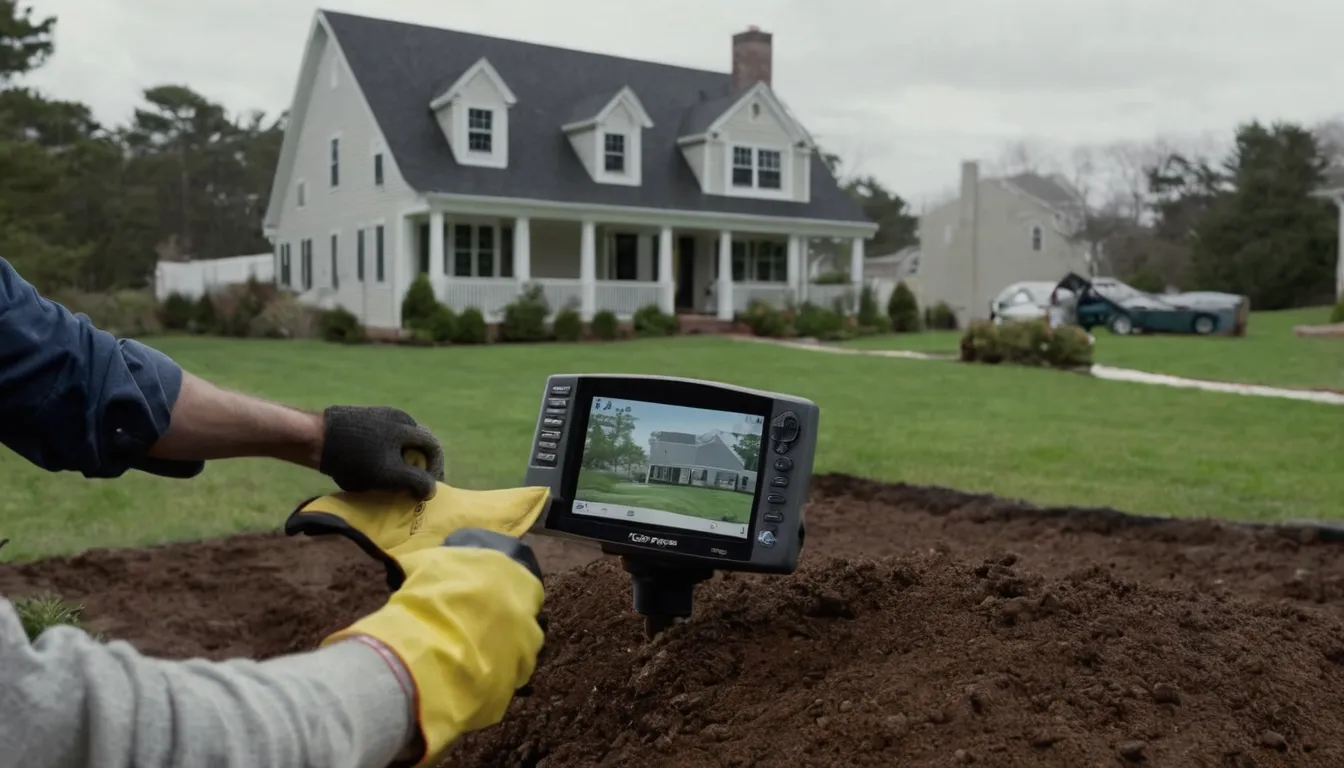
Request an estimate today
Your sewer line carries every drop of wastewater from the house to the street or to a septic tank. When it cracks, clogs or shifts, the trouble shows up in your drains first, then in your yard and your basement.
Aplogia Septic is a referral service. We do not do the repair work. We connect homeowners in the Newark area with independent local providers who inspect the line, explain the options and give a written quote. This page covers the warning signs, what to do and not do, how repairs work, and what to ask before you hire. Acting while the problem is small can protect your home, your yard and your resale value.
Stay calm and put safety first. Sewage can carry germs, so protect your family before you think about repairs.
Request a callback to check provider availability in your area.
Most sewer lines give hints before they fail. Small signs are your chance to act.
One slow drain may be a simple clog. Several slow drains at once point to the main line.
Tree roots seek out moisture. They slip into tiny joint gaps and grow into a thick mass. Soil that shifts can also pull pipe joints apart.
Older homes often have clay, cast iron or fiber pipe. These materials crack, flake or collapse with time. Newer plastic pipe can still sag if the trench bed was poor.
Cold winters, ground thaw cycles and spring snowmelt move soil around buried pipes. Heavy coastal storms can saturate the ground and add pressure. Older stone and block foundations can also shift, stressing the pipe where it leaves the house.
If your home is on a septic system, the trouble may sit in the line, the tank or the drainfield. A full tank can mimic a line failure. Septic tank pumping or emergency septic cleaning may be the right first step, and drainfield repair is a separate job. If you also rely on a private well, ask about water well service before any digging near it.
A provider usually feeds a small camera into the line. This shows cracks, roots, sags and breaks, and it shows where they are. Ask to see the video.
The right choice depends on pipe condition, depth and what sits above it.
Many areas require a permit for sewer work, and an inspection may follow. Providers often handle the paperwork, but confirm who does. Know where your responsibility ends. In many places the homeowner owns the pipe up to the main in the street, but rules differ. Check with your local utility.
A sewer problem left alone can damage floors, walls and the foundation. Careful repair, with photos and paperwork, helps show the next buyer the home was looked after. Keep the camera video, the permit and the invoice together. Some policies may cover sudden damage, so check your policy. Providers can often help document damage for a claim.
Trench work leaves a mess. Ask whether the quote covers backfill, grading, and replacing grass, pavers or driveway sections. Lining may leave far less to repair. Get these details in writing.
Quote in writing, and compare more than one if you can.
A provider runs a small camera through the pipe to find cracks, roots, sags and breaks.
Cutting roots from the line can clear flow, though regrowth is likely if damage remains.
Damaged pipe sections can be dug out and replaced, or the full line renewed.
A resin sleeve renews the old pipe from inside, often with much less digging in your yard.
These are typical U.S. ranges only. Real prices vary with pipe depth, length, access and local rules, so always get a written quote before work begins.
| Item | Typical range | Notes |
|---|---|---|
| Camera inspection | $150 – $500 | Often needed before any quote is final |
| Drain clearing or root cutting | $150 – $600 | Short-term fix if the pipe is damaged |
| Spot repair of one section | $1,000 – $4,000 | Depends on depth and surface access |
| Trenchless pipe lining | $80 – $250 per foot | Less digging, not right for every pipe |
| Full line replacement | $3,000 – $15,000 | Longer runs and deep lines cost more |
| Permits and yard restoration | $100 – $3,000 | Check if the quote includes these |
Tell us about your home and the signs you have noticed, using the estimate request form.
A local provider in our network may contact you to discuss the problem and schedule.
Ask to see the camera findings and the repair options the provider suggests.
Check the written quote, the permit plan and the yard restoration before you agree.
A slow drain or damp lawn patch is cheaper to fix than a collapsed, flooded line.
Plain do and do-not tips help you protect your family while you wait for a provider.
Providers in our network do the work, and you choose who to hire.
Ask for scope, materials and restoration details on paper before any work begins.
Describe your septic or sewer problem and request an estimate. A local provider in our network will follow up with next steps. No obligation.
No obligationDescribe your septic or sewer problem and request an estimate. A local provider in our network will follow up with next steps. No obligation.
No obligation