Need septic tank pumping in Newark?
Describe your septic or sewer problem and request an estimate. A local provider in our network will follow up with next steps. No obligation.
No obligation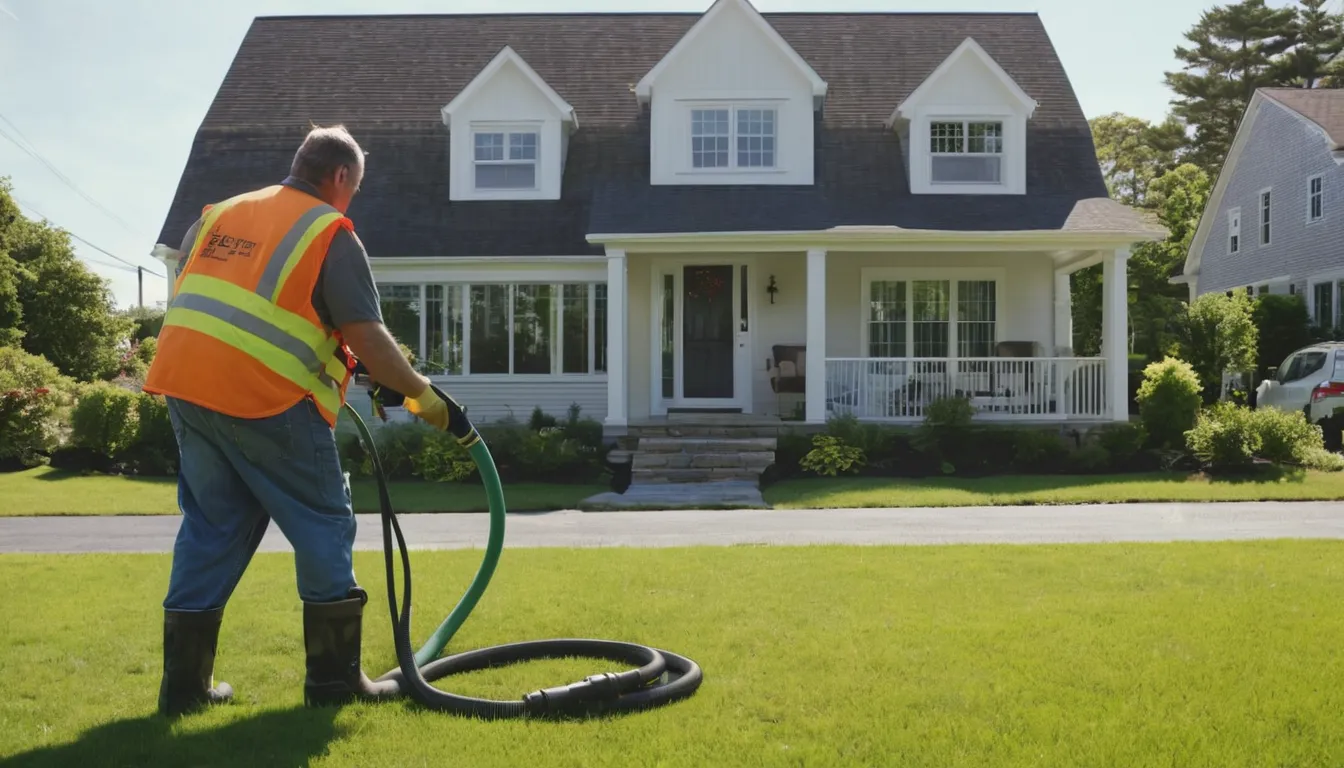
Request an estimate from a local provider
Septic tank pumping removes the sludge and scum that build up inside your tank over the years. When that buildup grows too thick, solids can slip out toward the drainfield, and the drainfield is the costly part of the system to fix. Aplogia Septic is a referral service. We do not pump tanks. We connect homeowners in the Newark area with independent local providers who do.
This page explains the early signs of a full tank, what a pumping visit looks like, and what to ask before you hire. It also covers safe steps to take while you wait. Read it, request an estimate, and get a written quote. A routine pump-out costs far less than a failed system, and it helps protect your home's value.
A full tank usually speaks up before it fails. Watch for slow drains in more than one fixture, gurgling pipes, and a sewage smell near the tank or in the yard. Soggy, bright green grass over the tank area is another clue.
If you see these signs, spot it early. A routine pump-out is often all it takes.
Sewage in a tub, a floor drain or the basement is a serious sign. Stop using water in the house. Keep children and pets away from the spill, and do not wade in or clean it up with bare hands. Request a callback to check provider availability for emergency septic cleaning. Many providers can respond quickly, though hours vary.
Your tank separates waste into layers. Heavy solids sink, grease and light material float, and clearer water flows out to the drainfield. Over time the solid layers grow. Once they get too thick, solids can travel past the tank and clog the soil.
That is how a small maintenance task becomes drainfield repair. Pumping on schedule is one of the simplest ways to protect the system and your property value.
Many households pump every three to five years. Your own schedule depends on tank size, how many people live in the home, and how much water you use. A garbage disposal adds solids and can shorten the gap.
Ask a provider to measure the sludge and scum layers. That reading is more reliable than guessing from a calendar.
A typical visit follows a clear order:
To help, mark where the tank sits and clear snow, pets and parked cars from the area.
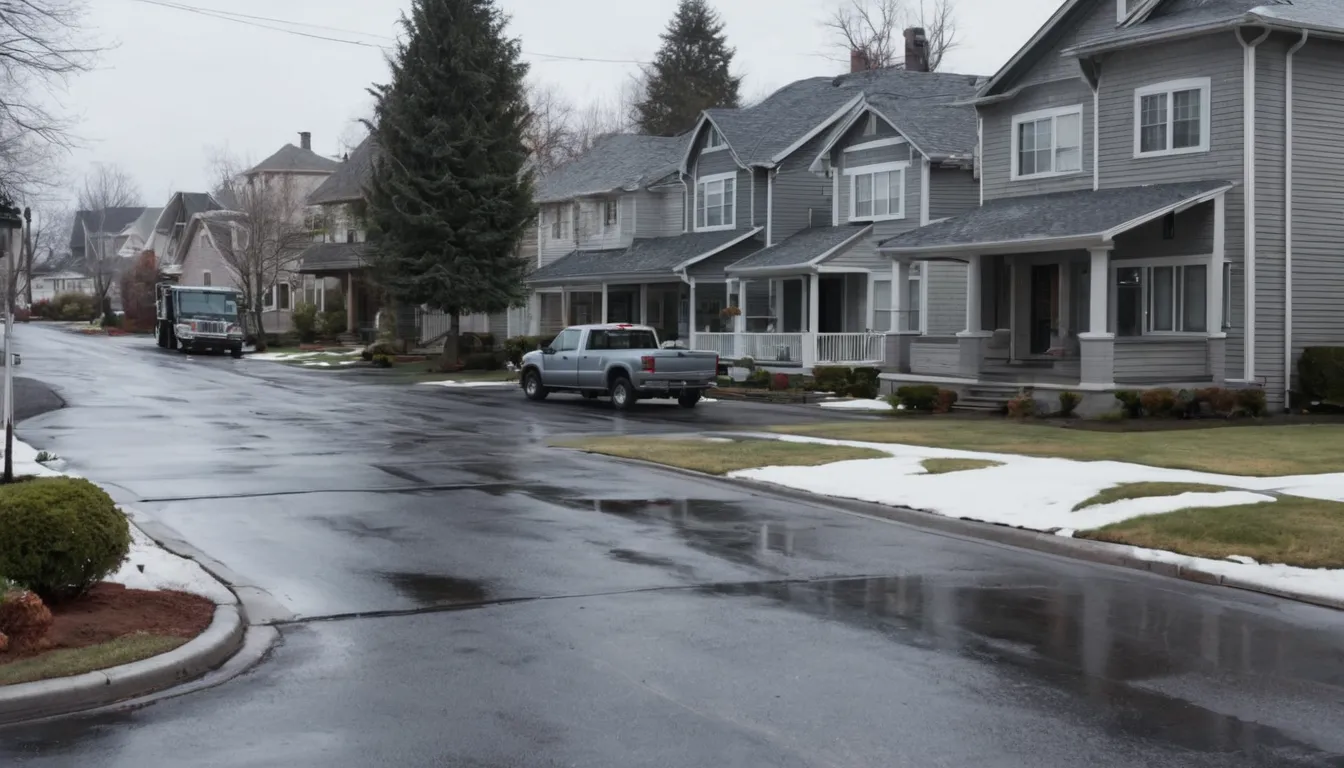
In snowy regions, deep frost can make lids hard to find and open. Spring snowmelt can also soak the soil around the tank. A saturated drainfield has less room to take in water, which makes a full tank show its problems sooner.
If you can, schedule pumping in a dry season. Mark the lids before the first snow.
Pumping and an inspection fit well together. With the tank empty, a provider can see cracks, worn baffles and signs of backflow that are hidden when it is full. Ask for the findings in writing.
Many lenders and local rules ask for a pump-out and inspection before a sale. If you plan to sell, keep your pumping records in one folder. A documented history helps buyers feel confident and supports your home's value.
Buyers in older homes should ask when the tank was last pumped and where the lids are.
Homes with a septic tank often have a private well too. Ask the provider how far the tank sits from the well. If you notice cloudy or odd-smelling tap water after a backup, ask about water well service and testing. Do not drink the water until it has been checked.
A written quote protects both sides. Compare the scope, not just the price. Providers are independent businesses, and Aplogia Septic only helps you reach them.
A provider removes liquid, sludge and scum so solids stay out of your drainfield and pipes.
Many providers look at inlet and outlet baffles while the tank is open and empty.
Ask for notes on the tank's condition and a suggested date for your next pumping.
For backups, providers may offer emergency septic cleaning. Availability and hours vary by provider.
Pumping prices vary by tank size, access, distance and how full the tank is. These are typical U.S. ranges, not quotes. Always get a written quote from the provider before work begins.
| Item | Typical range | Notes |
|---|---|---|
| Routine pump-out, standard tank | $300 – $600 | Usually for tanks around 1,000 gallons |
| Larger tank pump-out | $500 – $900 | Tanks of 1,500 gallons or more |
| Pumping with basic inspection | $350 – $750 | Inspection depth varies by provider |
| Finding and uncovering buried lids | $100 – $300 | Deep soil or frost can add effort |
| Riser and lid installation | $300 – $900 | Makes future pumping easier |
| Urgent backup cleanout | $500 – $1,000 | Depends on the severity and access |
Write down slow drains, odors or wet spots, and where you see them. These details help the provider.
Send a request through the form and a local provider in our network can follow up.
Review the scope, tank size and extras in each quote before you choose a provider.
Mark the lids, clear the area, and file the service notes after the visit.
Slow drains and odors are small signs. Acting on them can keep a simple pump-out from becoming a major repair.
Raw sewage and tank gases carry real risks. Let a trained provider handle the tank.
Pumping records and a healthy system help support your home's value at sale.
We encourage you to get a quote in writing so the scope and price are clear.
Describe your septic or sewer problem and request an estimate. A local provider in our network will follow up with next steps. No obligation.
No obligationDescribe your septic or sewer problem and request an estimate. A local provider in our network will follow up with next steps. No obligation.
No obligation